
Protecting your Starlink Mini requires a case specifically engineered for its unique form factor and outdoor deployment needs. The best case for Starlink Mini combines rugged, military-grade durability with precise thermal management to ensure uninterrupted connectivity in harsh environments. For digital nomads and outdoor enthusiasts, a generic cover is insufficient; you need a solution that offers IP67 water resistance, shock absorption, and secure mounting capabilities without compromising signal reception. This guide details the critical features required for top-tier protection and outlines how to select the optimal gear for your specific adventure.
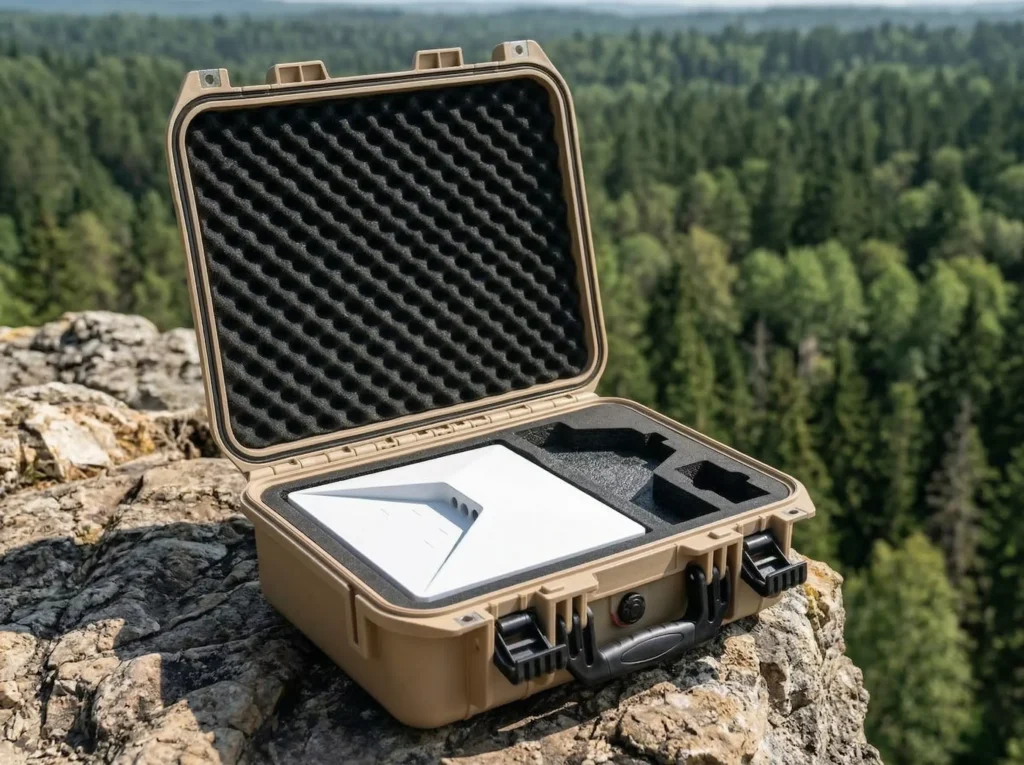
Why Standard Covers Fail Your Starlink Mini
The Starlink Mini is designed for portability, but this compactness introduces vulnerability. Unlike the standard dish, the Mini lacks an integrated, heavy-duty base that can absorb significant impact. When traveling off-grid, users face exposure to rain, dust, accidental drops, and extreme temperature fluctuations.
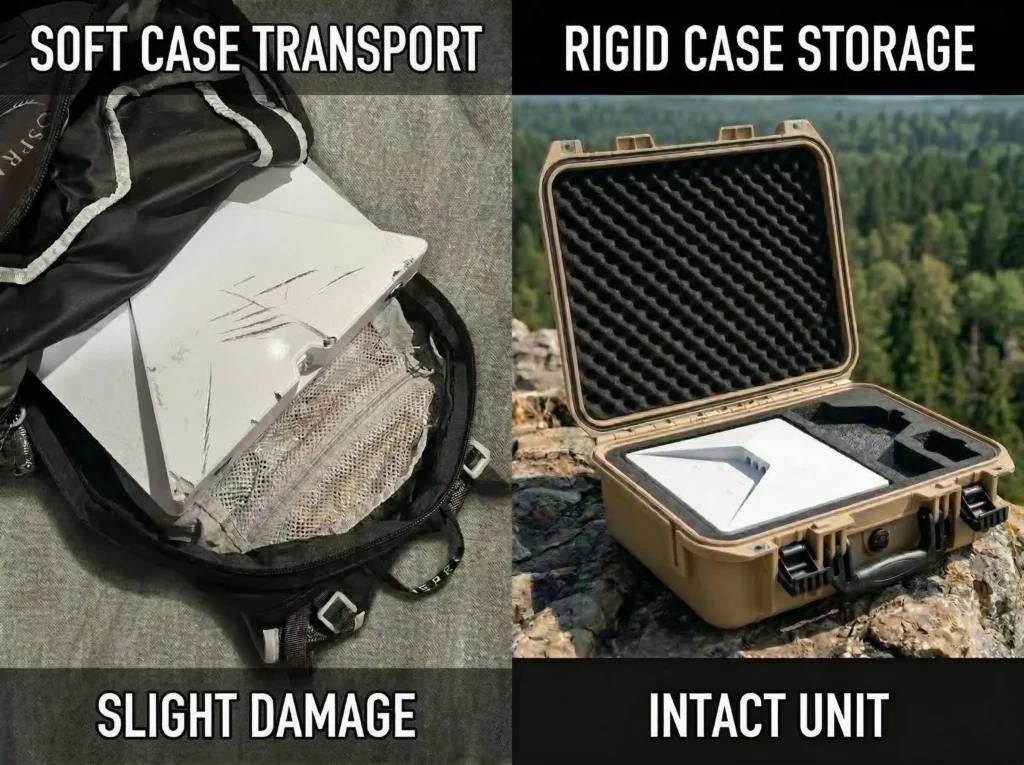
Generic plastic shells or soft pouches often fail to provide adequate protection because they lack:
- Structural Rigidity: They cannot withstand the pressure of being packed into a backpack under heavy gear.
- Thermal Regulation: The Mini’s internal electronics generate heat; poor ventilation in cheap cases leads to throttling or connection drops.
- Mounting Precision: Without dedicated attachment points, securing the device to a vehicle roof, tent pole, or tripod becomes unstable during high winds.
Essential Features of a Premium Starlink Mini Case
To identify the best case for Starlink Mini, evaluate potential products against these non-negotiable technical specifications. These criteria ensure your equipment survives the rigors of the wild while maintaining peak performance.
1. Impact Resistance and Drop Protection
Look for cases constructed from high-density polyethylene (HDPE) or reinforced polycarbonate with rubberized bumpers. The ideal case should meet MIL-STD-810G standards for drop testing. This ensures that if the unit falls from a vehicle roof or slips from your hands, the internal circuitry remains intact.
2. Weatherproofing and Sealing
Water and dust are the primary enemies of outdoor electronics. The best Starlink mini cases feature:
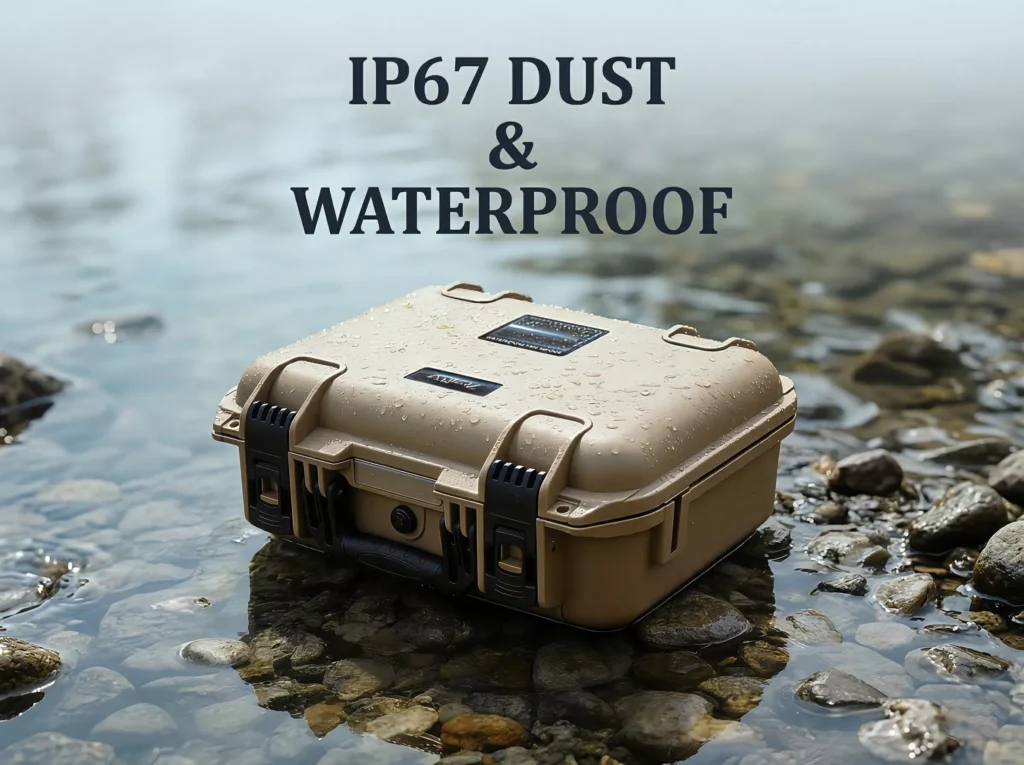
- IP67 or IP68 Rating: Complete protection against dust ingress and temporary immersion in water.
- Sealed Ports: Rubber gaskets over the power and ethernet ports prevent moisture entry when the device is not in use.
- UV Resistance: Materials must resist degradation from prolonged sun exposure to maintain structural integrity.
3. Thermal Management
Starlink hardware operates efficiently within a specific temperature range. High-quality cases incorporate:
- Ventilation Channels: Strategic airflow design prevents heat buildup without exposing internal components to direct rain.
- Heat Dissipation Materials: Internal linings that draw heat away from the processor.
4. Secure Mounting Integration
A case is only as good as its ability to stay put. The best Starlink cases include:
- Integrated Mounting Points: Pre-drilled holes compatible with standard 1/4″ camera threads or specific Starlink mount adapters.
- Strap Systems: Built-in webbing loops for ratchet straps or bungee cords to secure the unit to roofs, tree branches, or poles.
- Low-Profile Design: Ensures the unit does not snag on obstacles during transport.
Material Quality and Durability Standards
When comparing options, the material composition dictates longevity. Avoid cases made from thin, flexible TPU or low-grade EVA foam, which degrade quickly under UV light and repeated stress.
Recommended Materials:
- Hard Shell Polycarbonate: Offers the highest impact resistance and maintains shape under load.
- Reinforced ABS Plastic: Provides a balance of weight and strength, ideal for hiking where every gram counts.
- Silicone Bumpers: Essential for absorbing shock at the corners and edges, the most vulnerable areas during a fall.
Compatibility and Port Accessibility
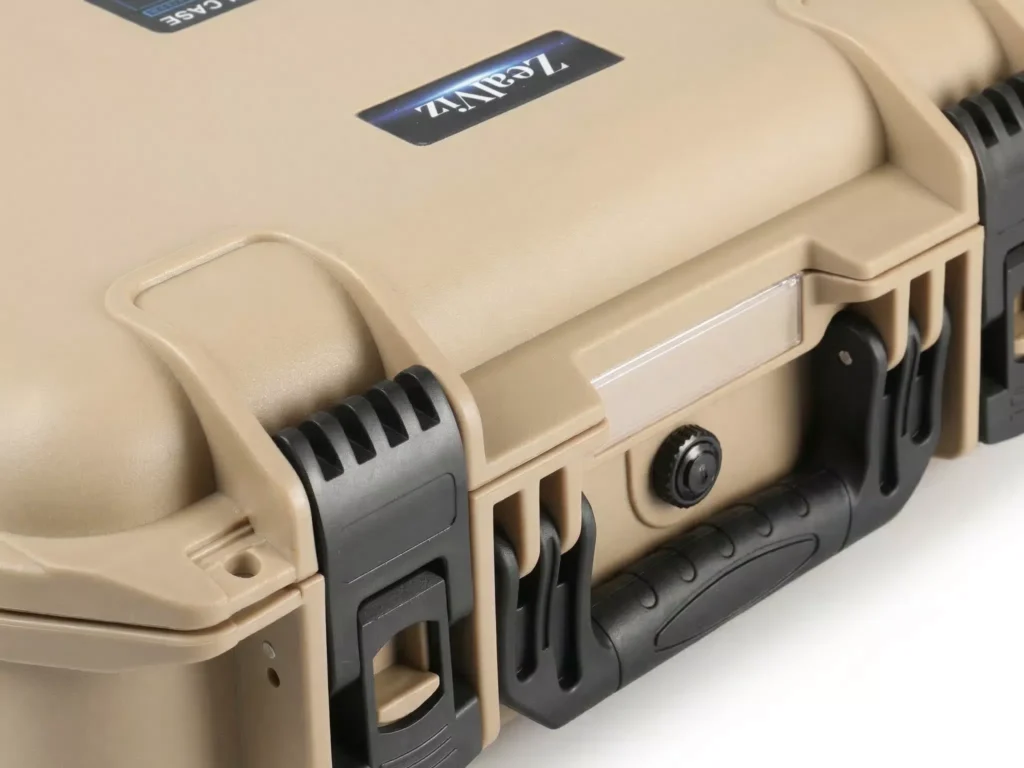
One of the most common frustrations with third-party accessories is blocked access to essential ports. The best case for Starlink Mini allows full functionality without removing the unit from its protective shell.
Ensure the selected case provides:
- Precision Cutouts: Exact openings for the USB-C power input, Ethernet port, and status indicator lights.
- Cable Management: Internal channels or external pass-throughs to route power cables neatly, preventing strain on the connectors.
- Lens Clarity: If the case includes a window for the status LEDs, it must be scratch-resistant and optically clear to allow easy monitoring of connection status.
Top Use Cases for Protected Starlink Mini Gear
Different environments demand specific protective strategies. Understanding your primary use case helps narrow down the search for the right product.
Digital Nomad & Van Life
For those living out of vehicles, the case must facilitate quick setup and teardown. Look for a “grab-and-go” design that integrates with vehicle roof racks or interior storage compartments.
- Key Need: Compact footprint and rapid mounting systems.
Hiking and Backpacking
Weight is a critical factor here. The case should add minimal bulk while offering maximum protection against rocks and debris.
- Key Need: Lightweight materials and integrated carrying handles or attachment loops.
Extreme Weather Expeditions
In snowy or stormy conditions, thermal retention and absolute waterproofing are paramount.
- Key Need: Full sealing, anti-fogging properties, and insulation capabilities.

How to Choose the Right Solution for Your Needs
Selecting the perfect case involves balancing budget, weight, and protection levels. Follow this decision matrix to find the optimal fit:
- Assess Your Environment: Are you primarily in mild climates or extreme weather? Extreme conditions require higher IP ratings and thicker insulation.
- Evaluate Transport Methods: Will you carry it by hand, pack it in a bag, or strap it to a vehicle? This determines the necessary mounting hardware.
- Check Port Requirements: Do you need to access ports frequently? Prioritize cases with accessible cutouts over fully enclosed designs.
- Review Warranty and Support: Reputable brands offer warranties against manufacturing defects and provide customer support for compatibility issues.
Final Recommendation
Finding the best case for Starlink Mini is about investing in the reliability of your internet connection. While generic covers may suffice for indoor storage, they cannot protect your investment in the field. By prioritizing cases that offer military-grade drop protection, superior thermal management, and robust mounting integration, you ensure your Starlink Mini remains operational wherever your journey takes you.
For a curated selection of rigorously tested, high-performance protective gear designed specifically for the Starlink Mini, explore our collection of Starlink Mini Case. Our inventory focuses on solutions that meet the rigorous demands of outdoor professionals, ensuring your connectivity stays strong in any environment.