
No, the Starlink Mini is not waterproof. While it carries an IP54 rating—meaning it can handle light rain and dust splashes—it cannot withstand submersion, heavy downpours, or high-pressure water jets. If you leave your dish out in a storm without protection, the internal electronics will likely fail.
For campers, RV owners, and overlanders, this distinction isn’t just a technicality; it’s the difference between a reliable connection and a costly replacement. The device is built for portability, but its durability stops at “weather-resistant.” You need a dedicated hard case to shield it from the elements when parked and during transit.
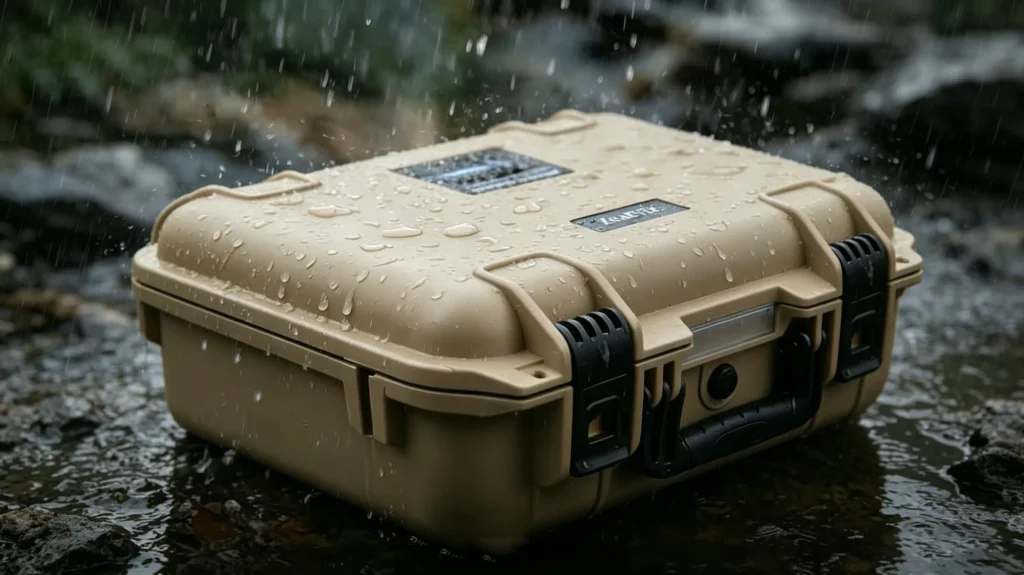
Understanding the IP54 Rating: What It Actually Means
Many users misinterpret the “IP” code as a guarantee of total safety. In reality, the IP54 rating tells a specific story about what the Starlink Mini can survive.
The first digit (5) indicates dust protection. It is dust-protected, meaning dust can enter but not enough to interfere with the operation. This is great for dusty trails, but it doesn’t mean the seal is airtight against fine particulate matter over long periods.
The second digit (4) refers to water resistance. It protects against water splashing from any direction. Think of a sudden shower while you’re setting up camp or water dripping from a wet tree branch.
It does not protect against:
- Immersion in water (even briefly).
- High-pressure washing (like a car wash nozzle).
- Continuous heavy rainfall.
- Snow accumulation that melts into the vents.
If you are driving through a washout or parking under a leaking awning, the IP54 rating offers no real defense. The moment water breaches the seals, the risk of short-circuiting skyrockets.
Why Your Starlink Mini Needs More Than Just Rain
You might be tempted to rely on a tarp or a simple plastic bag. While these offer temporary cover, they often create new problems. Trapped moisture creates condensation, which is just as damaging as direct rain. Furthermore, loose tarps can flap in the wind, scratching the satellite dish surface and degrading signal performance.
A proper storage solution serves three critical functions beyond basic water blocking:
- Impact Protection: When you’re packing up for a quick move or dealing with rough terrain, the dish takes bumps. A hard shell absorbs shocks that a soft pouch cannot.
- Condensation Control: Quality cases include silica gel pockets or breathable materials that prevent moisture buildup when the temperature drops at night.
- Portability & Organization: The Mini comes with a cable and power brick. A dedicated case keeps everything contained so you aren’t digging through a gear bag for a connector in the dark.
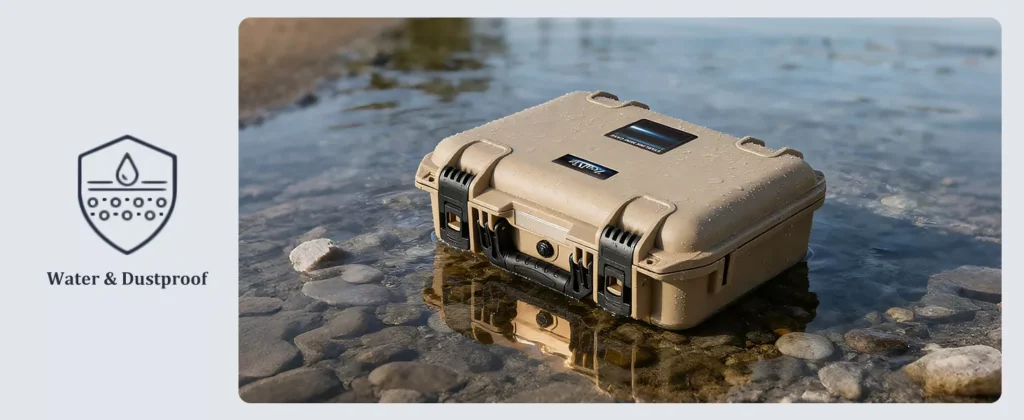
Choosing the Right Case: Hard Shell vs. Soft Pouch
Not all cases are created equal. Your choice depends on how you travel.
Rigid Hard Cases
These are the gold standard for serious adventurers. Made from injection-molded ABS plastic or similar composites, they offer the best protection against crushing forces and deep water exposure. Look for models with a gasket seal that creates a watertight barrier. These are essential if you plan to drive through puddles, park near waterfalls, or face unpredictable mountain weather.
- Best for: Overlanding, off-roading, and long-term outdoor stays.
- Key Feature: IP67 or higher water resistance rating.
Heavy-Duty Soft Cases
Soft cases made from ballistic nylon or Cordura are lighter and more flexible. They fit easily into tight spaces in an RV or car trunk. However, most soft cases only offer water resistance, not waterproofing. Unless explicitly rated as submersible, they will leak in a torrential downpour.
- Best for: Day trips, urban camping, and situations where weight is a major concern.
- Key Feature: Lightweight design and multiple external pockets.
Essential Features to Look For Before Buying
When scanning product options, ignore the marketing fluff and check for these specific specs:
- Custom Foam Inserts: The case must have pre-cut or laser-cut foam that holds the dish snugly. Loose movement inside a case leads to scratches and cracks.
- Waterproof Zippers: Standard zippers let water in. Look for YKK AquaGuard or similar waterproof zipper technology.
- Pressure Relief Valve: Some advanced cases include a valve to equalize pressure changes, preventing the case from popping open or sealing shut too tightly due to altitude shifts.
- Mounting Options: If you use the case as a base for mounting the dish directly, ensure the bottom is reinforced to handle torque.
Don’t settle for a generic camera bag. The Starlink Mini has a unique shape and requires specific handling. Using a case designed specifically for the Mini ensures the antenna alignment isn’t compromised and the cables don’t get pinched.
Final Verdict: Don’t Gamble with the Weather
The Starlink Mini is a fantastic tool for staying connected off-grid, but it relies on you to protect it. The IP54 rating is a starting point, not a finish line. For peace of mind in unpredictable conditions, a dedicated, high-quality waterproof hard case is non-negotiable.
Investing in a case designed specifically for the Mini ensures your gear stays dry, your signal stays strong, and your adventures remain uninterrupted. Check our selection of rugged, weather-proof storage solutions below to find the perfect fit for your setup.