
The modern workplace is no longer confined by four walls, fluorescent lighting, or even a static zip code. Thanks to the global shift towards remote work, a new generation of digital nomads, overlanders, and van life enthusiasts are redefining what it means to be “in the office.” However, this ultimate freedom comes with a significant technological caveat: the absolute necessity of a reliable, high-speed internet connection. For years, nomads chased weak cellular signals or crowded coffee shop Wi-Fi. Then came the satellite internet revolution, culminating in the highly portable, incredibly capable Starlink Mini.
But here lies the critical challenge. While the Starlink Mini is a marvel of modern engineering, it is also a delicate piece of advanced technology. It features sensitive internal phased-array antennas, fragile connectors, and a sleek surface that was not inherently designed to bounce around in the back of a sprinter van on a washboard dirt road. To truly unlock the potential of working from anywhere, you must protect your lifeline to the digital world. This is where investing in a purpose-built Starlink Mini Case transitions from being a mere accessory to an absolute necessity.
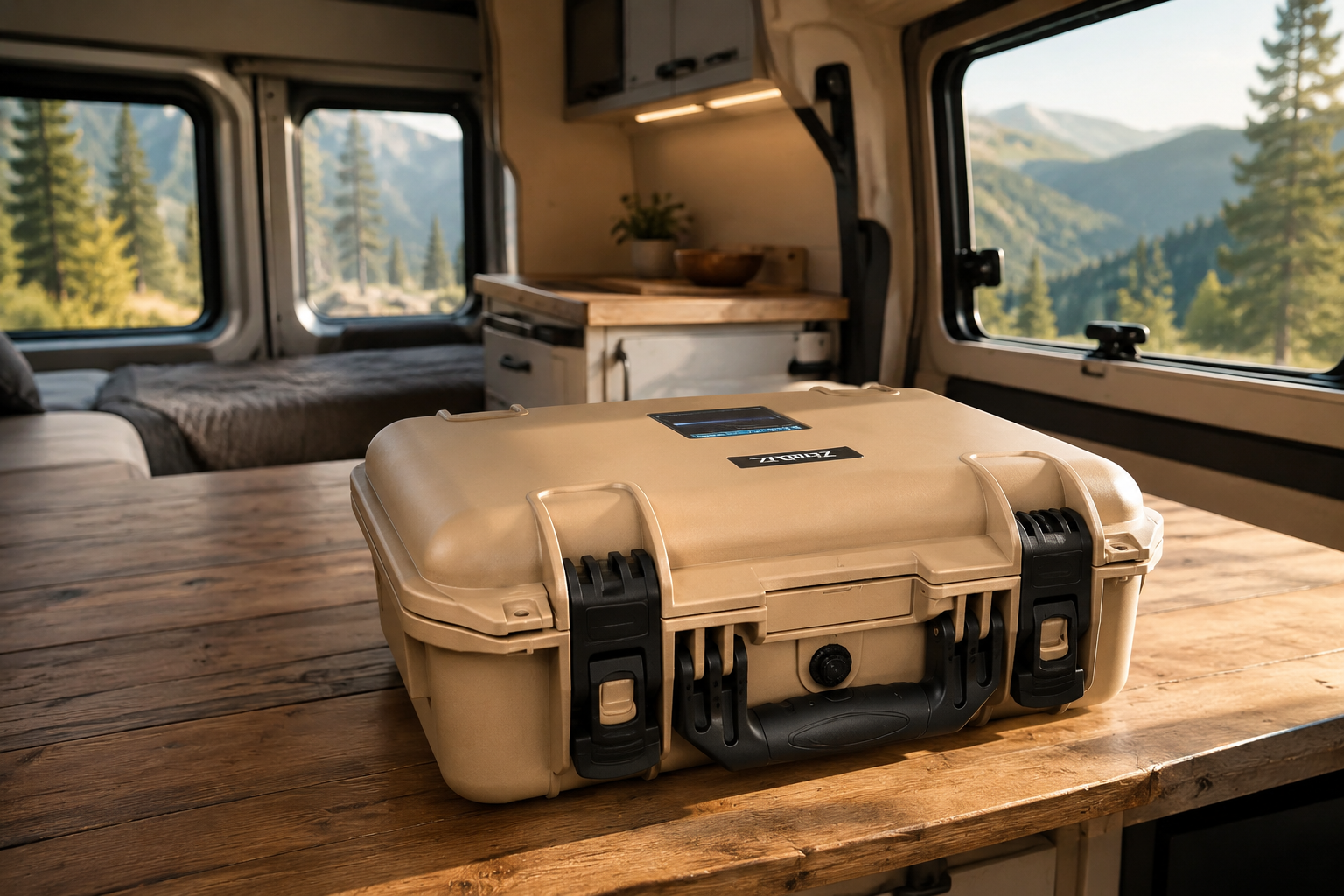
The Harsh Reality of the Road: Why Your Tech Needs Armor
When you transition from a traditional home to a mobile living space, the environment changes drastically. A camper van, RV, or overland rig is essentially a rolling earthquake. Every mile driven on a corrugated dirt road in Moab, every sudden stop on a bustling city street, and every shift in cargo transfers kinetic energy directly to your gear.
Consider the primary threats your Starlink Mini faces daily:
- High-Frequency Vibrations: Constant rattling can loosen internal components, damage soldering joints, and degrade the performance of the dish over time.
- Impact and Crush Risks: In a tightly packed van, heavy items like water jugs, camp chairs, or toolboxes can easily shift during transit. A soft bag offers zero crush protection if a heavy object falls on your dish.
- Dust and Particulate Matter: Desert winds and dry trails produce fine dust that can infiltrate ports and connectors, leading to overheating or electrical shorts.
- Moisture and Condensation: Rapid temperature changes—such as moving from a freezing mountain night to a heated van interior—cause condensation. Furthermore, accidental spills or rain while packing up camp pose a constant threat.
Relying on the original cardboard packaging or a generic soft backpack is a gamble with your livelihood. If your dish breaks miles away from civilization, you don’t just lose Netflix; you lose your ability to attend meetings, submit client work, and navigate your route. A dedicated hard shell case mitigates these risks entirely, acting as a fortress for your most vital tool.
Anatomy of the Ultimate Starlink Mini Case
Not all protective storage solutions are created equal. When evaluating how to transport your satellite setup, you need to look for a case that combines rugged exterior durability with precision-engineered interior protection. The ideal Starlink Mini Case achieves this through a meticulous combination of materials and design choices.
Military-Grade Polymer Exterior
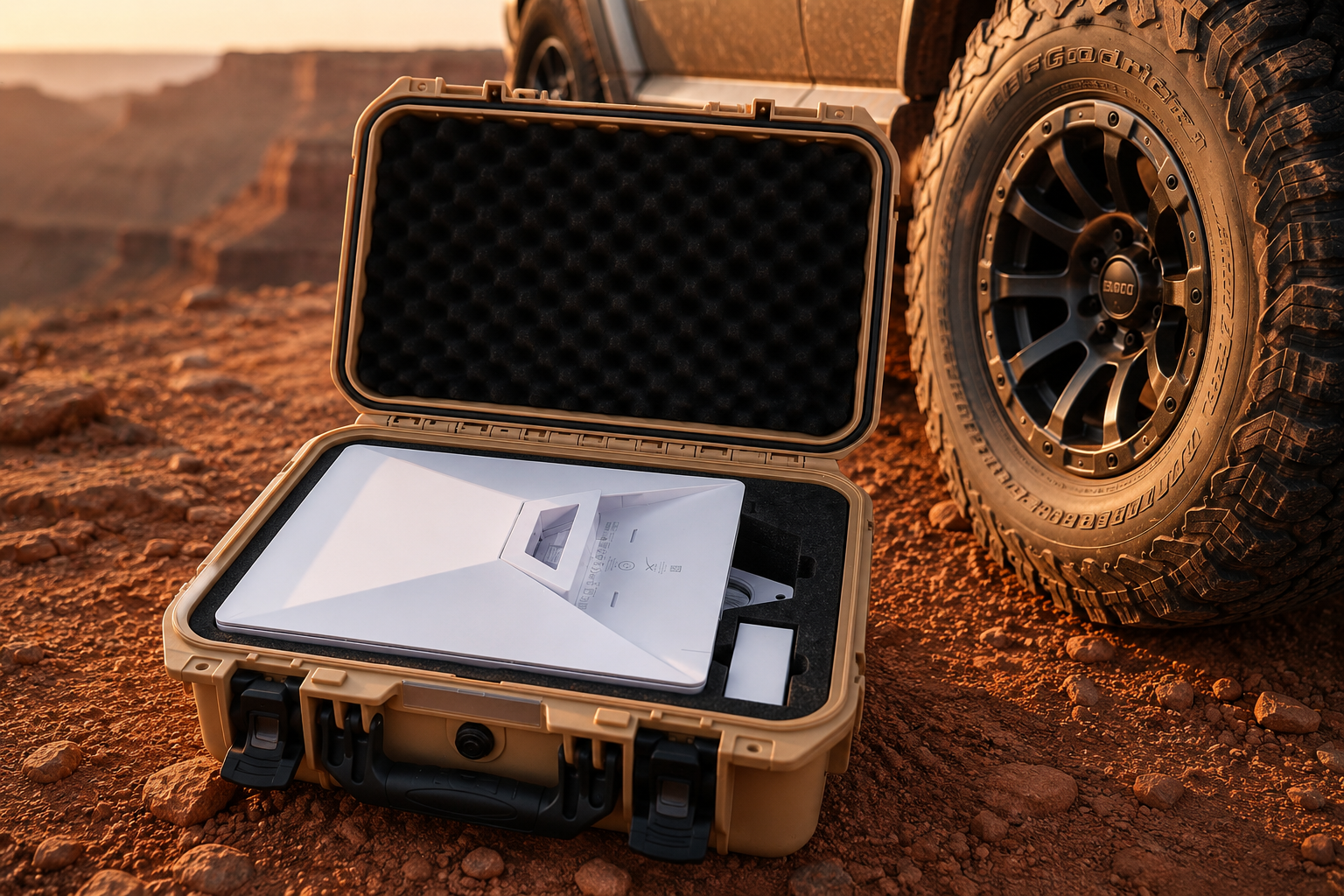
The first line of defense is the outer shell. Premium hard cases are typically injection-molded from high-impact polypropylene or similar advanced polymers. This material choice is intentional. It provides exceptional resistance to blunt force impacts, meaning if the case is dropped from the roof of your van or tumbles down a rocky embankment, the shell will absorb and deflect the energy rather than transferring it to the delicate dish inside. Furthermore, this rugged tan or desert sand exterior not only looks the part for outdoor adventures but also resists fading and degradation from intense UV exposure.
Precision Custom-Cut Foam Interior
The magic of a truly protective vault lies inside. Generic “pick-and-pluck” foam often degrades over time, leaving messy residue and eventually failing to hold the equipment snugly. The superior solution is high-density EVA (Ethylene-Vinyl Acetate) or polyurethane foam that has been machine-cut specifically for the exact dimensions of the Starlink Mini ecosystem.
When you open a premium case, you should see a masterclass in spatial organization. The foam features distinct, contoured compartments:
- The Main Dish Compartment: A large, perfectly shaped recess that cradles the rectangular dish, preventing any lateral movement.
- The Kickstand/Mount Recess: A uniquely angled geometric cutout designed to securely hold the integrated kickstand and pipe adapter without forcing it against the dish surface.
- The Power and Cable Nook: Dedicated slots for the power supply brick and the proprietary cables, ensuring they don’t scratch the face of the dish during transit.
Seals, Latches, and Pressure Equalization
Protection goes beyond impact. True security means isolating the equipment from the atmosphere. A high-quality case utilizes heavy-duty, dual-throw black latches that clamp down with authoritative force. When closed, these latches compress a continuous rubber O-ring seal nestled inside the lid.
This seal is what grants the case its Ingress Protection (IP) rating, effectively rendering the interior waterproof and dustproof. Additionally, because digital nomads frequently travel across drastically different elevations—from sea level in California to high mountain passes in Colorado—a built-in automatic pressure equalization valve is crucial. This small but mighty component allows air pressure to balance out, preventing the case from vacuum-sealing shut at altitude while still keeping water molecules out.
Comparing Protection: Why Hard Cases Win
To fully understand the value proposition, it helps to compare the common methods nomads use to store their satellite internet gear. Below is a breakdown of how different storage methods stack up against the rigorous demands of van life.
| Feature | Generic Soft Backpack | DIY Storage Bin | Dedicated Hard Case |
|---|---|---|---|
| Crush Resistance | None. Vulnerable to shifting cargo. | Low to Medium. Plastic bins crack easily under weight. | Extreme. Withstands hundreds of pounds of pressure. |
| Shock Absorption | Minimal. Thin padding does not stop hard impacts. | Poor. Wrapped towels or loose foam allow movement. | Superior. Custom high-density foam immobilizes gear. |
| Water & Dust Proofing | Water-resistant at best. Zippers leak. | No O-ring seals. Dust and moisture easily enter. | Complete. O-ring sealed and pressure equalized. |
| Setup Efficiency | Slow. Cables often get tangled inside. | Messy. Requires digging through makeshift padding. | Instant. Everything has a dedicated, organized slot. |
Setup and Teardown: The Efficiency of Organization
For the digital nomad, time is a precious commodity. Arriving at a new boondocking spot just before a crucial Zoom meeting means you need to deploy your internet connection in minutes, not hours. The psychological relief of opening a perfectly organized Starlink Mini Case cannot be overstated.
Instead of untangling cords from a duffel bag or frantically searching for the power adapter that slid under the van seat, a dedicated case presents your entire mobile office to you on a silver platter. You unlatch the case, lift the dish from its custom recess, grab the neatly coiled cable from its designated slot, plug it into your portable power station, and you are online. When the wind picks up or a sudden rainstorm threatens, teardown is just as rapid. You know exactly where every component goes, ensuring nothing is left behind in the dirt. This level of organization transforms a stressful chore into a seamless, satisfying routine.
Beyond Van Life: Expanding Your Horizons
While camper vans and RVs are the most common habitats for this technology, the robust nature of a hard shell case opens up entirely new frontiers for remote work and communication. The portability of the Mini, combined with impenetrable armor, means you can take your connection further than ever before.
- Marine and Boating Applications: Saltwater is the enemy of electronics. A sealed case protects your dish from corrosive sea spray and accidental submersion while sailing between islands or anchoring in remote coves.
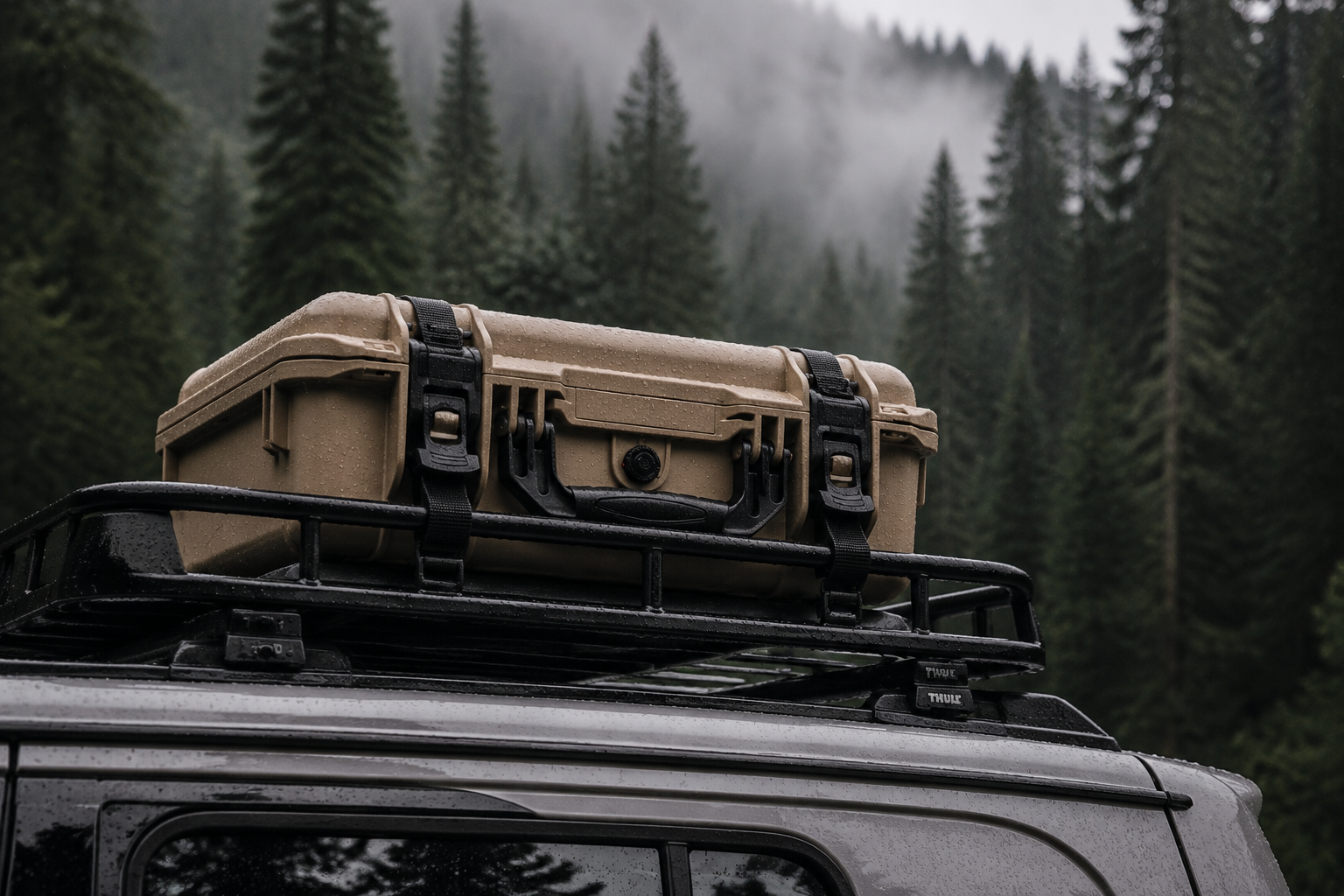
- Off-Road Overlanding: When your route involves rock crawling or forging rivers in a 4×4 rig, gear strapped to the roof rack takes a beating. A rugged case can be securely mounted externally without fear of the elements destroying the tech inside.
- Remote Cabin Retreats: Hiking into a backcountry cabin for a week of focused, uninterrupted work? The ergonomic, heavy-duty handle makes carrying your satellite connection through the woods comfortable and secure, protecting it from accidental drops on rocks or tree roots.
- Emergency Preparedness: In the event of natural disasters where local cellular infrastructure fails, having a protected, ready-to-deploy satellite internet kit can be a literal lifesaver for communication and coordination.
Frequently Asked Questions (FAQ)
Navigating the logistics of mobile internet can be daunting. Here are the most common questions real users ask before securing their equipment:
Will the case hold the Starlink Mini with the kickstand attached?
Yes. A professionally designed hard case features custom-cut foam with specific geometric recesses. It is engineered to comfortably house the dish, the integrated kickstand, the pipe adapter, and the power cables in their own designated slots without forcing or bending any components.
Does storing the dish in a hard case cause it to overheat?
No, because the case is designed strictly for transport and storage, not for active operation. You must remove the Starlink Mini from the case to deploy it and connect to the satellite constellation. When powered off and stored, the high-density foam acts as excellent insulation against extreme external temperature fluctuations in your vehicle.
Can I take this hard case on an airplane?
Generally, yes. Most compact hard cases designed for the Starlink Mini meet standard airline carry-on size restrictions. Because it is high-value electronics, it is highly recommended to carry it on rather than checking it. The pressure equalization valve ensures the case won’t vacuum-seal in the pressurized cabin.
Is the extra weight of a hard case worth it for lightweight travel?
Absolutely. While a hard polymer case weighs more than a nylon sleeve, the trade-off is total peace of mind. The cost of replacing a broken Starlink Mini—combined with the lost income from being disconnected from your remote job—far outweighs the addition of a few pounds to your gear loadout.
Conclusion: Invest in Peace of Mind
Choosing the digital nomad lifestyle is about embracing freedom, flexibility, and adventure. It is about waking up to ocean sunrises and working under the canopy of ancient forests. However, that dream quickly unravels if the tools that make it possible are compromised. Your satellite internet is the tether that allows you to roam freely while remaining professionally grounded.
Treat your equipment with the respect it deserves. Tossing a highly sophisticated phased-array antenna into a cluttered drawer or a flimsy backpack is a recipe for disaster. By securing your gear in a rugged, custom-fitted Starlink Mini Case, you are not just buying a plastic box; you are investing in uninterrupted productivity, seamless travel days, and the ultimate peace of mind. Protect your connection, protect your livelihood, and keep exploring without limits.