
The modern era of remote work and digital nomadism has completely redefined how we interact with the world. No longer bound by the physical constraints of traditional office spaces or the geographical limits of cellular towers, adventurers, overlanders, and remote professionals are venturing further off the grid than ever before. At the heart of this revolution is compact satellite technology. However, with great connectivity comes the significant responsibility of protecting your delicate equipment. The wilderness is unforgiving, and the back of a bouncing RV or an overlanding rig is no place for fragile electronics to rattle around unprotected.
This is where the intersection of rugged exterior design and precision interior engineering becomes critical. While a hard outer shell provides the first line of defense against the elements, it is what lies beneath that truly preserves your investment. Today, we are diving deep into the science of gear protection, exploring why custom EVA foam is the unsung hero of satellite internet mobility, and how investing in a purpose-built Starlink Mini Case can transform a chaotic jumble of wires and hardware into a flawlessly organized, deployment-ready system.
The Vulnerability of Remote Connectivity: Why Protection is Non-Negotiable
To understand the solution, we must first understand the problem. Satellite internet dishes, despite their robust outdoor ratings, are sophisticated pieces of technology. They contain complex phased-array antennas, delicate internal motors (in some models), sensitive microchips, and pristine surface areas that must remain unobstructed to communicate with satellites in low Earth orbit. When you take this technology on the road, it is subjected to a barrage of environmental and physical stressors:
- High-Frequency Vibrations: Driving on washboard dirt roads, gravel paths, or uneven terrain sends constant, micro-vibrations through your vehicle. Over time, these vibrations can loosen internal components or cause micro-fractures in hard plastics if the equipment is not properly dampened.
- Blunt Force Impacts: Accidental drops during setup, shifting cargo in a tightly packed trunk, or turbulence during air travel can deliver catastrophic blows to unpadded hardware.
- Abrasion and Surface Scratches: Storing power cables, metal stands, and the dish itself in the same loose bag guarantees that they will rub against each other. Scratches on the face of the dish can potentially interfere with signal clarity over time.
- Environmental Contaminants: Fine desert dust, coastal salt spray, and unexpected moisture are the enemies of electronic ports and connectors.
Merely throwing your setup into a canvas duffel bag or a generic plastic bin is a gamble. To guarantee reliable connectivity when you are miles away from civilization, you need a specialized containment strategy. This is precisely why a dedicated Starlink Mini Case is considered essential gear by seasoned travelers.
What is EVA Foam? The Science of Impact Resistance
When you open a premium protective case, the dense, smooth, and precisely cut foam inside is rarely standard sponge. It is almost always EVA. But what exactly is it, and why is it the gold standard for protecting high-end electronics?
EVA stands for Ethylene-Vinyl Acetate. It is an elastomeric polymer that produces materials which are “rubber-like” in softness and flexibility. However, unlike traditional rubber, EVA is incredibly lightweight, highly durable, and highly resistant to environmental degradation. It is a closed-cell foam, meaning its structure consists of millions of tiny, sealed gas bubbles. This unique microscopic architecture provides several massive advantages for equipment protection:
- Superior Shock Absorption: When an impact occurs, the closed cells compress, absorbing and dispersing the kinetic energy before it can reach the fragile equipment nestled inside. Once the pressure is removed, the foam instantly returns to its original shape.
- Water and Moisture Resistance: Because the cells are closed, EVA foam does not absorb water like a standard open-cell sponge. If you accidentally leave your case open in a light drizzle, the foam will not become a soggy, moldy mess. It can simply be wiped dry.
- Chemical and UV Stability: EVA is highly resistant to oils, greases, and UV radiation, ensuring that the interior of your case won’t degrade, crumble, or off-gas harmful chemicals onto your electronics over years of use.
- Thermal Insulation: The trapped air within the closed cells provides a degree of thermal resistance, helping to buffer your sensitive electronics against extreme temperature fluctuations when stored in a hot vehicle or a freezing cabin.
In the context of industrial design, materials like EVA are often tested against rigorous ASTM international standards to ensure they meet exact specifications for compression set and impact resistance. When this aerospace-grade material is utilized in consumer products, the result is unparalleled peace of mind.
Precision Matters: Inside the Ultimate Starlink Mini Case
The true magic of a high-quality protective enclosure isn’t just the material itself; it is how that material is shaped. Generic “pick-and-pluck” foam, where you tear out little squares to create a rough cavity, is a decent temporary fix, but it ultimately fails. Over time, the plucked edges fray, the foam loses its structural integrity, and your gear begins to shift.
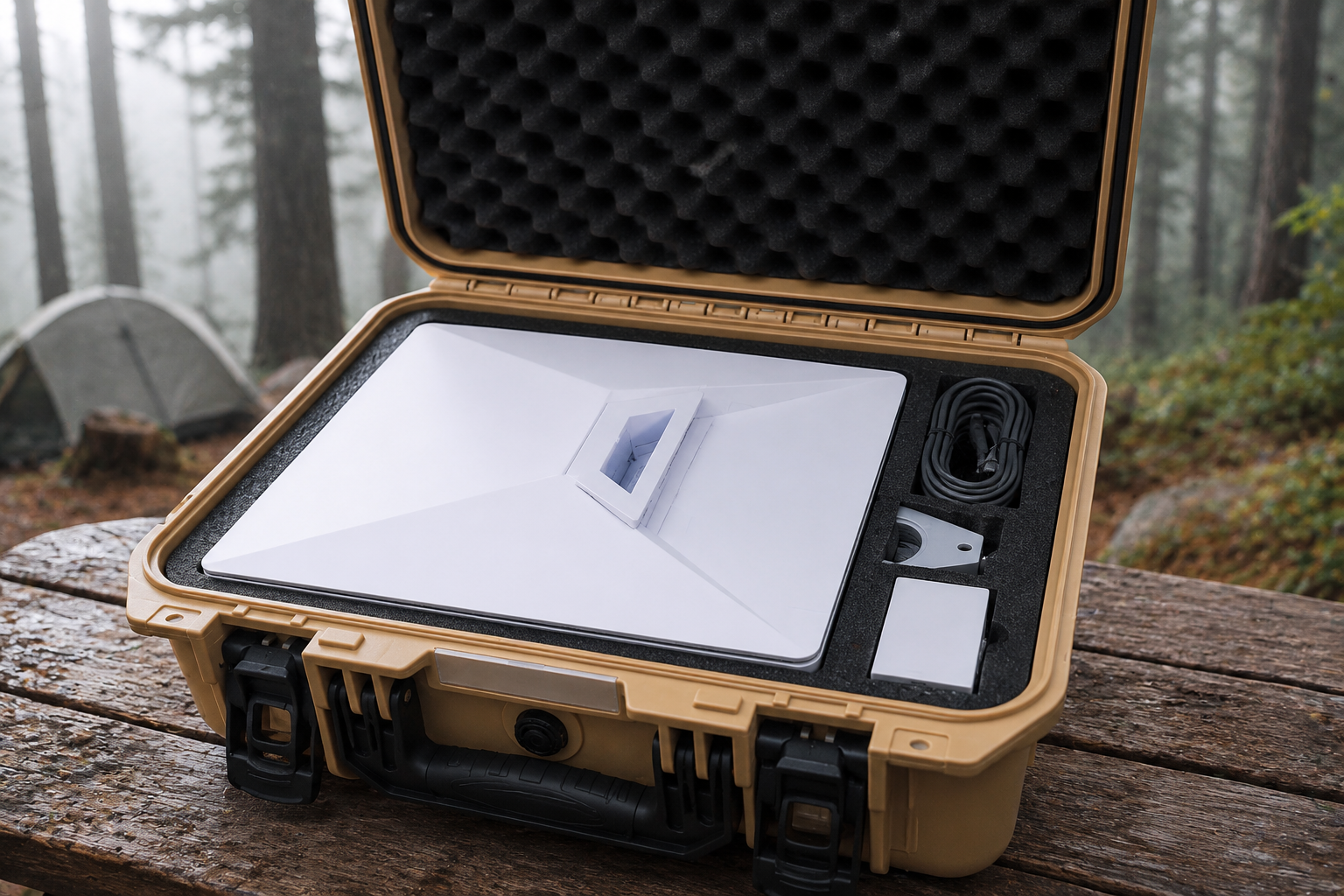
A professionally manufactured Starlink Mini Case utilizes CNC (Computer Numerical Control) routing or precision die-cutting to create cavities that match the exact three-dimensional topography of the equipment. Here is how this custom-cut EVA foam revolutionizes your setup:
1. The Zero-Movement Guarantee
When you place your satellite dish into a custom-cut EVA cavity, it doesn’t just sit there; it is cradled. The foam contours perfectly to the angled edges and flat surfaces of the hardware. This means that whether your case is stored flat, standing on its side, or tumbling down a grassy hill, the dish remains entirely stationary. Zero movement means zero internal friction and zero kinetic transfer.
2. Flawless Cable Management
Perhaps the most frustrating aspect of mobile technology is cable management. Wires have a mind of their own, tangling into impossible knots and placing stress on connectors. A well-designed EVA interior features dedicated, routed channels and separate compartments specifically for your power cables, router, and adapters. By isolating the cables from the main dish, you prevent heavy metal plugs from scratching the delicate face of the antenna during transit.
3. Rapid Deployment and Repacking
Time is of the essence when you are setting up camp before dark or rushing to pack up before a storm hits. Custom foam acts as a visual inventory system. Every component has its specific home. If a slot is empty, you immediately know you’ve forgotten a cable or an adapter. This “mise en place” approach to gear storage ensures that deployment takes seconds, and packing up is a seamless, stress-free process.
Comparing Protection Methods: Why Custom EVA Wins
To truly appreciate the value of custom EVA foam, it is helpful to compare it against alternative storage methods commonly used by travelers. The table below breaks down the performance of different materials across critical categories.
| Feature | Custom EVA Foam (Hard Case) | Pick-and-Pluck Foam | Soft Padded Bag |
|---|---|---|---|
| Impact Resistance | Excellent (Disperses high-kinetic energy) | Moderate (Degrades over time) | Poor (Offers minimal drop protection) |
| Gear Shifting | Zero Movement (Precision fit) | Moderate Movement (Edges fray) | High Movement (Items collide) |
| Moisture Resistance | High (Closed-cell structure) | Varies (Often open-cell polyurethane) | Low (Absorbs water easily) |
| Longevity | 5+ Years (Retains shape and density) | 1-2 Years (Requires replacement) | 2-3 Years (Padding flattens out) |
Real-World Benefits for the Modern Explorer
The theoretical benefits of material science are fascinating, but how does this translate to real-world scenarios? Whether you are a weekend warrior or a full-time digital nomad, a rugged Starlink Mini Case changes the way you travel.
The Overlanding Experience
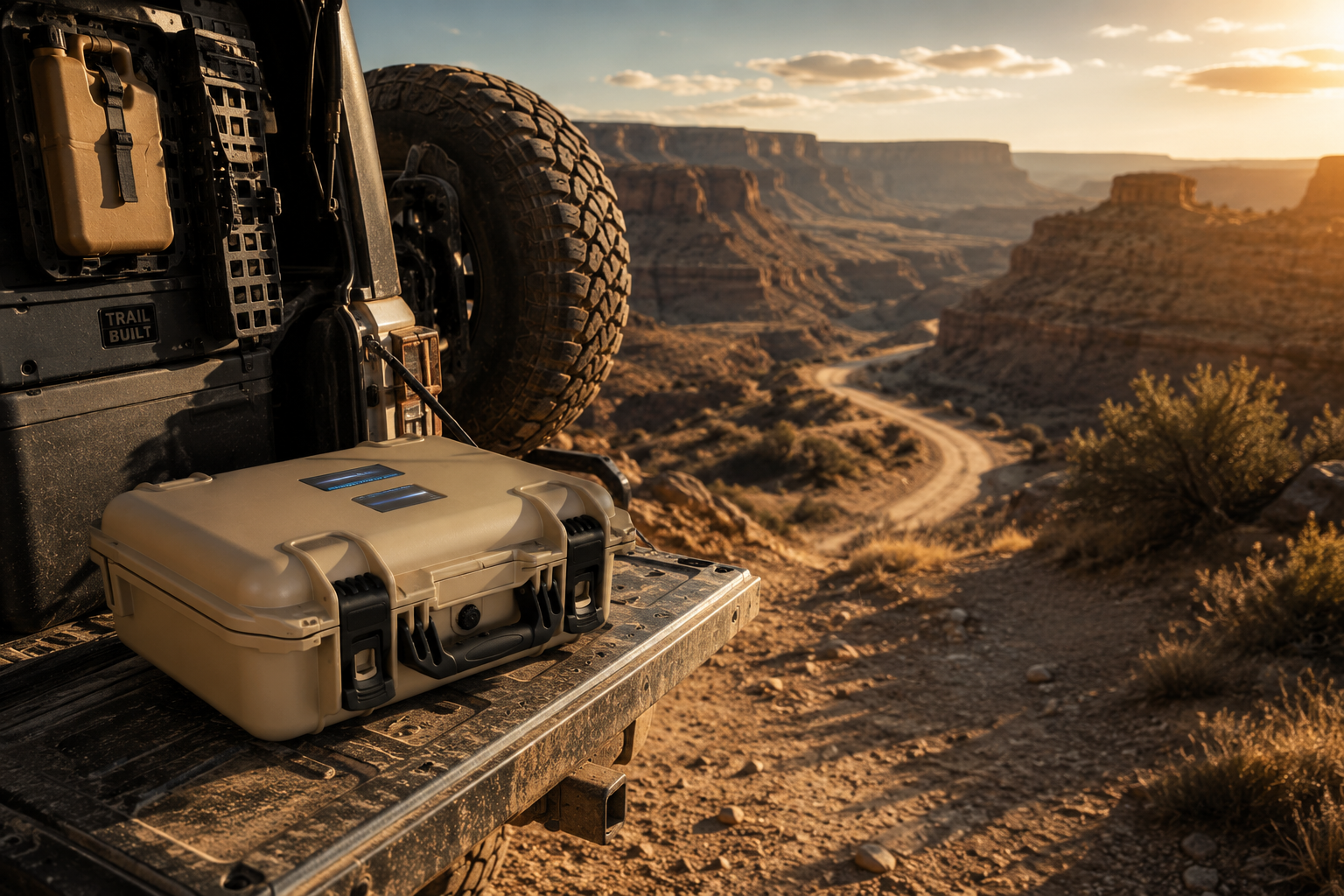
Overlanders demand the utmost from their gear. When your route involves hundreds of miles of corrugated dirt roads, dust infiltration and vibration are your biggest enemies. A hard shell case equipped with heavy-duty latches and an O-ring seal keeps the choking dust out, while the rigid EVA foam acts as a suspension system for your electronics. You can strap the case to a roof rack or bury it under heavy camping gear without a second thought.
Air Travel and TSA
Flying with expensive gear is always anxiety-inducing. If you plan to carry your connectivity setup on a plane, it needs to survive the overhead bin—which often means being shoved, crushed by other bags, and subjected to rapid pressure changes. A properly designed case not only protects against crushing weight but also presents a neat, organized interior to TSA agents. If they need to inspect your electronics, the custom cutouts make it immediately obvious what each component is, reducing the chances of mishandling.
Maritime and Boating Applications
For those who live and work on the water, the rules of gear storage change entirely. Saltwater is highly corrosive, and the constant pitching and rolling of a vessel means unsecured gear will inevitably become airborne. The closed-cell nature of EVA foam ensures that even in highly humid, salty air environments, the interior padding won’t absorb moisture and promote mold growth, keeping your vital communication link safe and dry.
Key Features to Look for in a Protective Enclosure
When selecting the ultimate housing for your setup, the foam is only half of the equation. The exterior shell must work in perfect harmony with the interior. Here are the critical features that define a top-tier protective solution:
- High-Impact Polymer Shell: Look for outer shells made from polypropylene or similar high-impact resins. These materials are designed to flex slightly under extreme pressure to absorb shock, rather than shattering like brittle plastics. A tactical, rugged design (often in outdoor-friendly colors like tan or olive) not only looks professional but signifies robust construction.
- Heavy-Duty Latches: The latches are the weak point of any case. Premium options utilize dual-throw or secure-locking clasps that will not pop open if the case is dropped.
- Ergonomic Carrying Handle: A fully loaded case can be heavy. A handle with over-molded rubber or an ergonomic grip ensures comfortable transport from your vehicle to your setup site.
- Pressure Equalization Valve: If you travel through mountainous regions with significant elevation changes, or take your case on an airplane, changes in atmospheric pressure can create a vacuum, making a sealed case impossible to open. An automatic pressure release valve equalizes the interior pressure while keeping moisture out.
Conclusion: An Investment in Reliability
Your satellite internet setup is more than just a piece of technology; it is your lifeline to the world. It allows you to run a business from a mountain peak, stay in touch with loved ones from the middle of the desert, and navigate the globe with confidence. Treating this vital equipment as an afterthought is a risk you simply shouldn’t take.
By understanding the protective power of closed-cell polymers and precision engineering, it becomes clear that a dedicated housing is not an accessory—it is a necessity. The combination of a crush-proof exterior and a custom-molded EVA interior ensures that no matter how rough the journey gets, your connection to the world remains unbroken. Protect your freedom, organize your workflow, and travel with absolute peace of mind.
Frequently Asked Questions (FAQ)
1. Will the EVA foam degrade or crumble over time?
No. Unlike standard open-cell polyurethane foam (often used in cheap cushions or pick-and-pluck cases), high-density EVA is highly resistant to UV rays, chemicals, and physical breakdown. It will retain its shape, density, and protective qualities for years of heavy use without crumbling or off-gassing onto your equipment.
2. Can I store my power cables and router in the same case without scratching the dish?
Absolutely. The primary advantage of a custom-cut EVA interior is compartmentalization. The foam features distinct, separated cavities for the dish, the router, and the cables. This ensures that heavy metal plugs and hard plastic routers cannot physically make contact with the sensitive face of your satellite dish during transit.
3. Is a hard shell case really necessary, or can I just use a padded backpack?
While a padded backpack offers basic scratch protection and is fine for a quick walk to a coffee shop, it offers zero structural defense against crush damage or blunt force impacts. If you are packing your gear into a tightly loaded car, flying, or overlanding on rough terrain, a hard shell case with EVA foam is the only way to guarantee your equipment survives the journey intact.
4. Does the case protect against extreme temperatures?
While a hard case is not a climate-controlled environment, EVA foam acts as an excellent thermal insulator due to its trapped-air cellular structure. It will significantly buffer your electronics against rapid temperature spikes or drops, though you should still avoid leaving electronics in direct, baking sunlight inside a closed vehicle for extended periods.