
Congratulations! You have just taken your first step into the breathtaking world of aerial photography. Unboxing a new drone is an exhilarating experience. The sleek design, the promise of capturing stunning 4K landscapes, and the sheer thrill of flight make it an unforgettable moment. However, once the initial excitement settles and your first flight is complete, a critical question arises: how are you going to store and transport this delicate piece of advanced technology?
Many beginners make the crucial mistake of overlooking proper storage. They either toss their new drone into a standard backpack, rely on the flimsy cardboard retail box, or use a basic thin cloth sleeve. Unfortunately, these choices often lead to a harsh reality check: broken propellers, damaged gimbal motors, or degraded batteries. In this comprehensive guide, we will explore why investing in dedicated DJI MINI 4K / Mini 2 drone storage is the most important decision you will make after purchasing your drone, and exactly what features you should look for to protect your investment.
The Hidden Vulnerabilities of Your New Drone
To understand why specialized storage is necessary, you first need to understand the anatomy of your drone. Despite its impressive capabilities, the device is inherently fragile due to its lightweight design—a necessity for keeping it under the critical 250-gram weight limit.
- The Gimbal and Camera Assembly: The 3-axis gimbal is the heart of your drone’s cinematic capabilities. It relies on microscopic motors and delicate ribbon cables to stabilize your footage. Even a minor bump inside a standard backpack can knock the gimbal out of alignment, resulting in tilted horizons or permanent mechanical failure.
- Propeller Warping: The propellers are engineered with precise aerodynamic curves. If they are compressed or bent while stored loosely in a bag, they will warp. Warped propellers lead to unstable flights, reduced battery life, and a highly annoying “jello effect” in your videos.
- Chassis Stress: The folding arms of the drone are convenient but vulnerable at the hinges. Uneven pressure from books or laptops in a regular backpack can snap these hinges, leading to costly repairs.
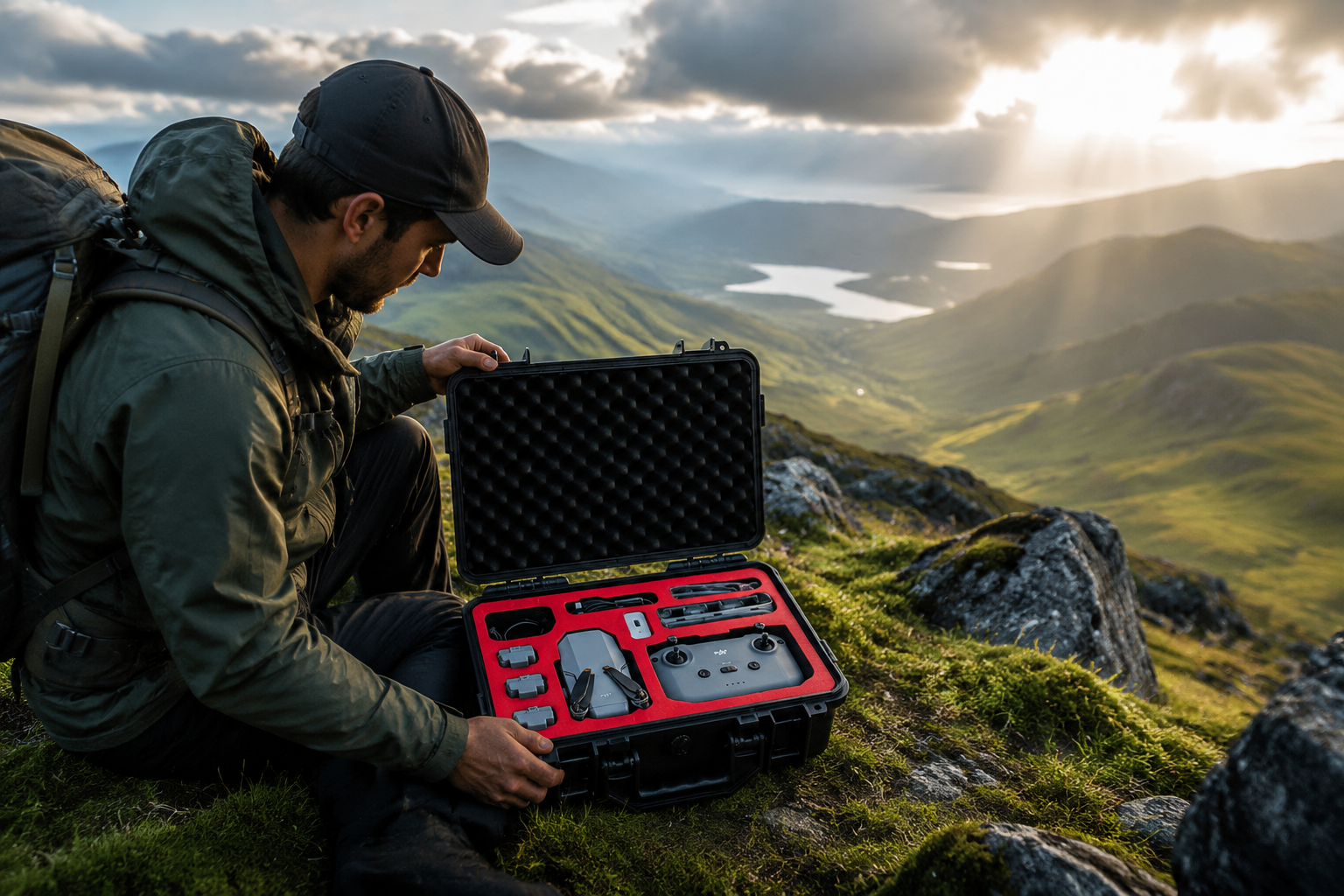
Why the Original Packaging Isn’t Enough
It is tempting to just use the box the drone came in. After all, it held the drone securely during shipping, right? While true, retail packaging is designed for one-time transit, not daily use. The cardboard quickly degrades, the plastic inserts crack, and it offers absolutely no resistance against moisture or dust. Furthermore, as you expand your kit with extra batteries, ND filters, and charging hubs, the original box simply won’t have the space to accommodate your growing ecosystem.
This is where a professional-grade DJI MINI 4K / Mini 2 drone storage solution becomes indispensable. You need a system that grows with you, offering dedicated compartments for every single accessory.
Soft Bag vs. Hard Case: The Ultimate Comparison
When shopping for storage, you will generally encounter two categories: soft-shell carrying bags and hard-shell cases. Let us break down the differences to help you make an informed decision.
| Feature | Soft Carrying Bag | Rugged Hard Case |
|---|---|---|
| Impact Protection | Low to Medium (Protects against scratches, minor bumps) | Maximum (Crushproof, drop-resistant) |
| Internal Organization | Often uses velcro dividers; items can shift during transit | Custom-cut EVA foam; zero movement for all components |
| Weather Resistance | Water-resistant (Can handle light drizzle) | Fully Waterproof & Dustproof (Often features rubber O-ring seals) |
| Best Use Case | Urban commuting, placing inside another larger backpack | Hiking, air travel, beach trips, extreme environments |
| Longevity | Zippers and fabric may wear out over a few years | Virtually indestructible; lasts a lifetime |
For beginners who want absolute peace of mind, a hard case is undeniably the superior choice. The initial investment in a rugged case pays for itself the very first time you accidentally drop it on a rocky trail.
Key Features to Look for in Premium Drone Storage
Not all hard cases are created equal. When selecting your DJI MINI 4K / Mini 2 drone storage, you should inspect the following critical features to ensure maximum protection and usability.
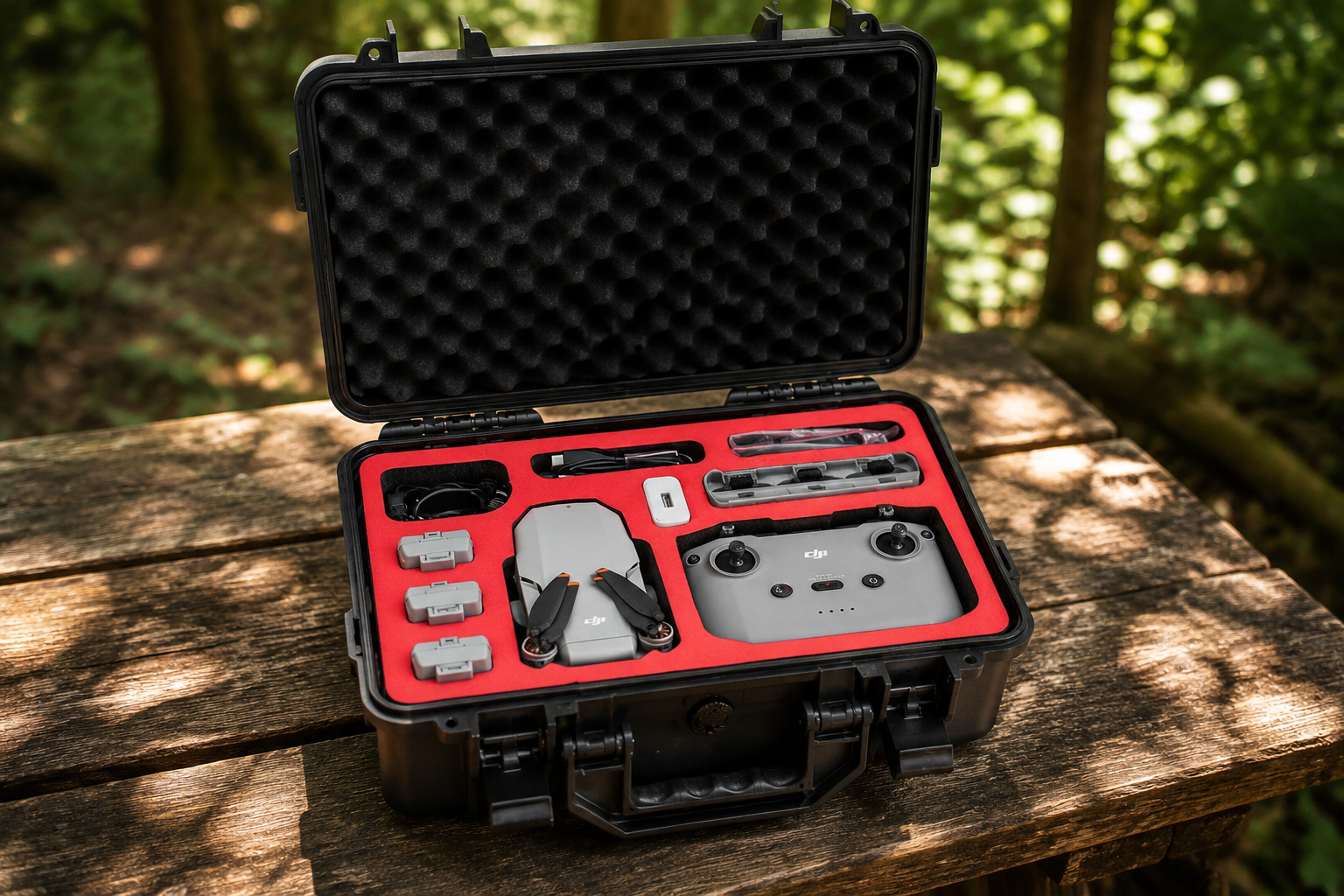
1. Custom-Cut High-Density EVA Foam
The interior of the case is just as important as the exterior. Look for cases that feature brightly colored (like vibrant red), high-density EVA foam. The bright color isn’t just for aesthetics; it provides high contrast, allowing you to instantly see if a black cable, SD card, or spare propeller is missing before you leave your flight location. The foam must be custom-cut to the exact dimensions of the drone (with folded arms), the remote controller (without needing to remove the joysticks), the two-way charging hub, and multiple intelligent flight batteries.
2. Crushproof and Waterproof Exterior Shell
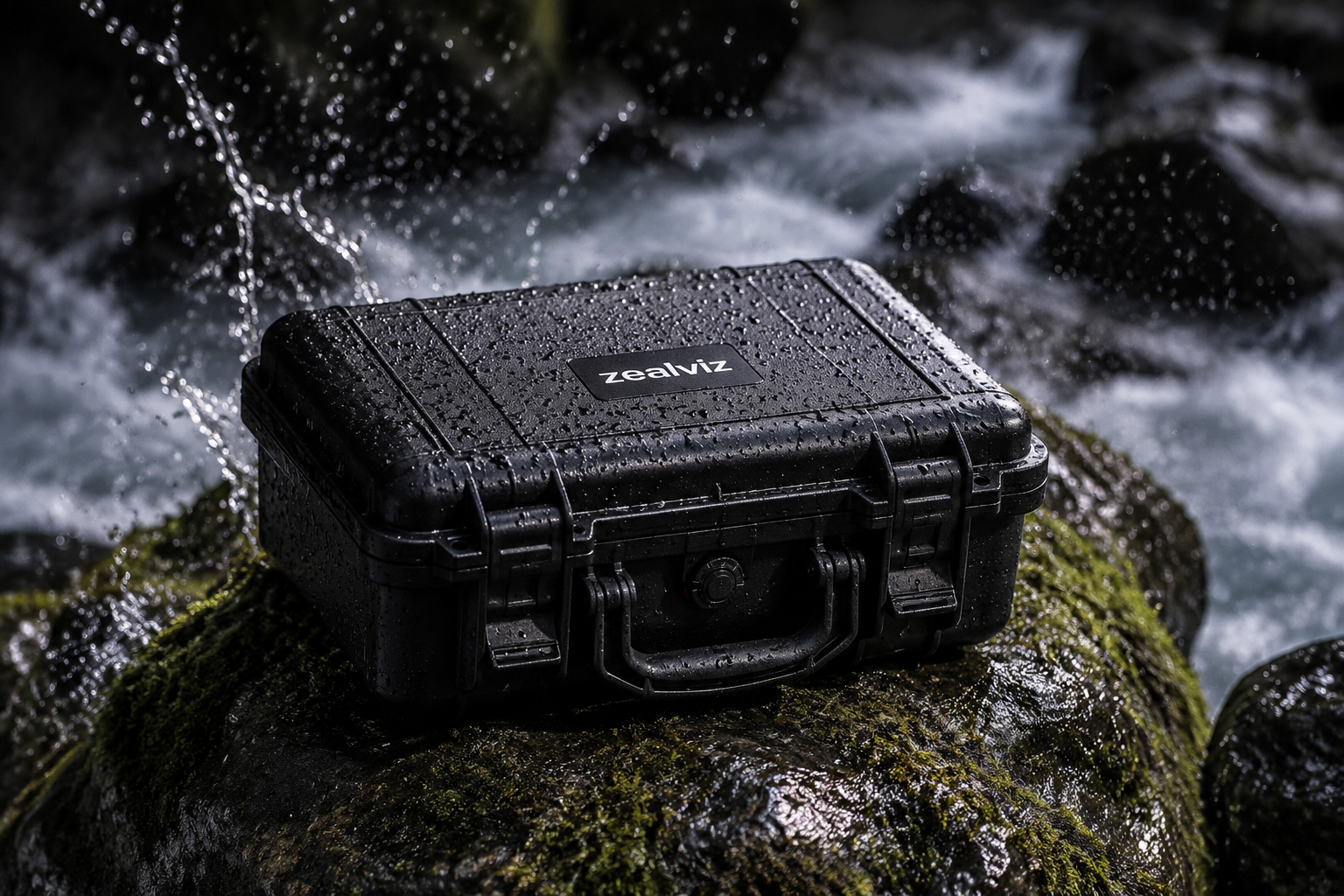
The outer shell should be constructed from high-impact ABS or Polypropylene (PP) plastic. This material absorbs shock and prevents crushing forces from reaching the delicate electronics inside. Additionally, a professional case should feature a reliable waterproof seal. To understand how well a case protects against the elements, you can refer to the International Electrotechnical Commission (IEC) IP ratings. A high-quality case will typically boast an IP67 rating, meaning it is completely dust-tight and can survive temporary submersion in water—perfect for unexpected rainstorms or accidental drops in shallow streams.
3. Secure Latching System and Pressure Valve
A good case will utilize dual-throw latches that are easy to open but impossible to accidentally pop open when dropped. Furthermore, if you plan on traveling by air or driving through high-altitude mountains, an automatic pressure equalization valve is a must-have. This valve prevents the case from vacuum-sealing shut due to changes in atmospheric pressure.
Traveling Safely: Air Travel and Battery Regulations
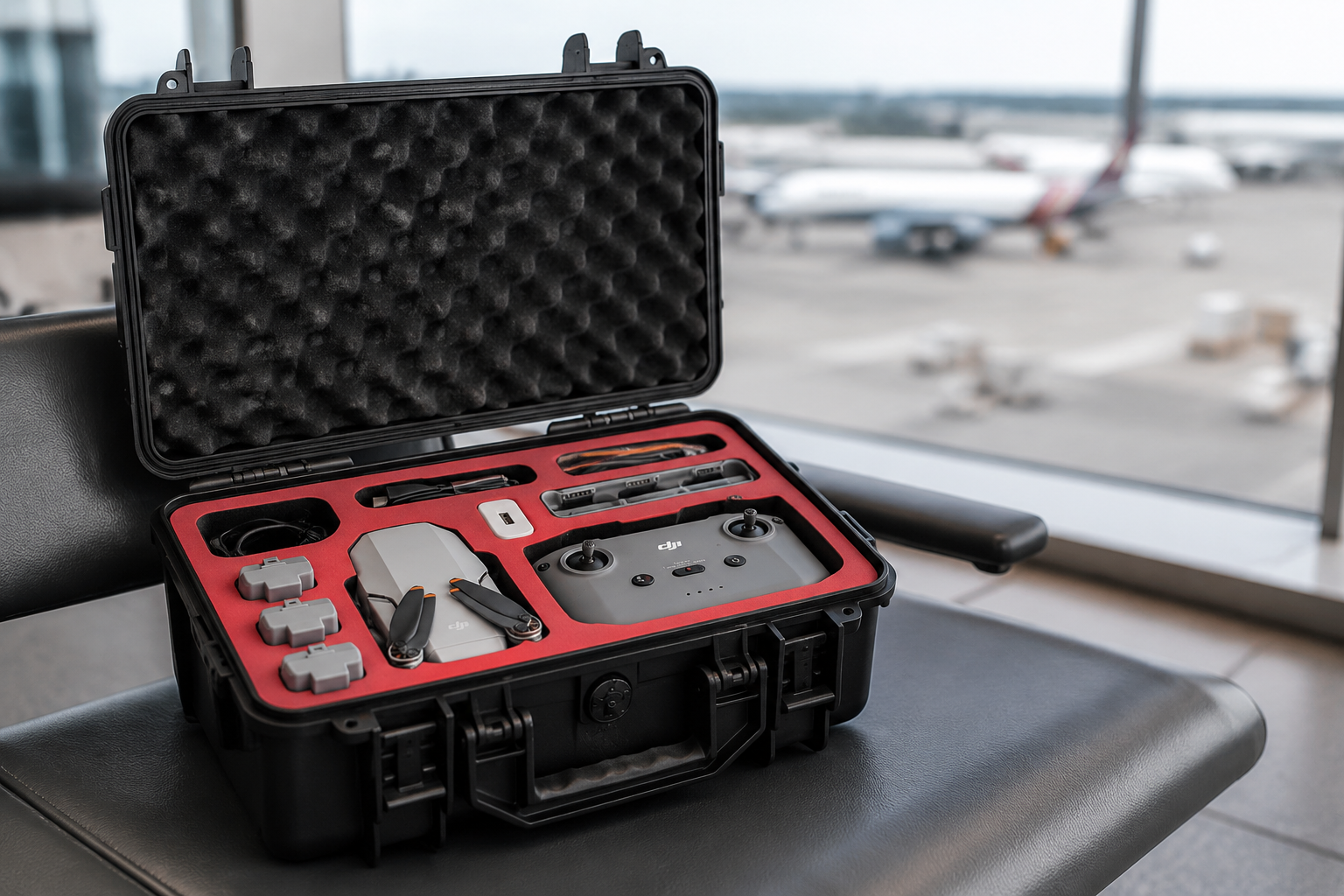
Taking your drone on vacation is one of the primary reasons people buy them. However, traveling with high-capacity Lithium-Polymer (Li-Po) batteries requires strict adherence to aviation safety protocols. Improperly stored batteries can short-circuit and pose a severe fire risk.
When flying, drone batteries must always be carried in your carry-on luggage, never in checked baggage. For detailed regulations, it is highly recommended to review the TSA guidelines for lithium batteries before your flight. A dedicated hard case with precise foam cutouts ensures that the battery terminals are isolated and protected from touching metal objects like keys or loose coins, virtually eliminating the risk of a short circuit. The rigid structure also prevents the batteries from being punctured or crushed in a crowded overhead bin.
The Beginner’s Packing Routine: Best Practices
Having the best DJI MINI 4K / Mini 2 drone storage is only half the battle; knowing how to pack it correctly is equally important to extend the lifespan of your gear. Follow this routine after every flight:
- Cool Down: Never pack a hot drone or battery immediately after a long flight. Let the components cool down in the shade for 10-15 minutes to prevent heat buildup inside the closed case.
- Gimbal Cover First: Always attach the plastic gimbal protector before folding the arms. This locks the camera in place and prevents it from swinging wildly during transport.
- Fold in Sequence: Fold the front arms first, followed by the rear arms. Ensure the propellers are tucked neatly along the body of the drone so they don’t catch on the foam edges when inserting the drone into the case.
- Check the Foam Slots: Ensure the remote controller is seated perfectly. If your case allows it, you can leave the control sticks screwed in, provided the foam has deep enough cutouts to prevent pressure on the gimbals.
- Moisture Control: Toss a couple of silica gel packets into the accessory compartment of your case. This absorbs any residual moisture from humid flight environments, protecting the internal electronics from corrosion.
Expanding Your Kit: Room for Growth
As a beginner, you might only have the basic package right now. But drone flying is an addictive hobby. Soon, you will find yourself purchasing extra batteries for longer flight sessions, ND (Neutral Density) filters for cinematic motion blur, a multi-battery charging hub, spare propellers, and multiple MicroSD cards.
When selecting your storage, forward-thinking is key. A premium hard case is designed with the “Fly More Combo” in mind. It provides dedicated slots for up to three extra batteries and the charging hub, alongside a spacious accessory cavity for cables and filters. By choosing a comprehensive storage solution from day one, you avoid the frustrating scenario of having to carry a secondary bag just for your extra accessories.
Frequently Asked Questions (FAQ)
Q1: Can I take a hard drone case as a carry-on during flights?
Yes, absolutely. In fact, airlines require you to bring your drone batteries in your carry-on luggage due to fire safety regulations. Most hard cases designed for mini drones are compact enough to fit easily under the seat in front of you or in the overhead bin.
Q2: Will keeping the propellers attached damage the drone inside the case?
Not if you use a case with custom-cut EVA foam. High-quality cases are specifically designed with enough clearance to accommodate the folded drone with the propellers still attached. Just ensure they are folded flat against the drone’s body before placing it in the slot.
Q3: Is a case designed for the Mini 2 compatible with the new DJI Mini 4K?
Generally, yes. The DJI Mini 2, Mini SE, and the newer Mini 4K share an almost identical physical chassis and folding mechanism. A precisely cut hard case will securely fit all these models, making it a versatile long-term investment.
Q4: Do I really need a waterproof case if I don’t fly over water?
Waterproof cases aren’t just for water; they are completely airtight. This means they also block out fine dust, sand, and dirt. If you ever plan to launch your drone from a beach, a dusty trail, or a windy field, the airtight seal will prevent microscopic particles from entering the case and ruining your controller’s gimbals or the drone’s motors.
Conclusion: Protect Your Aerial Journey
Buying your first drone is an investment in creativity and adventure. However, that investment is incredibly fragile. Relying on makeshift bags or the original cardboard box is a gamble that eventually leads to broken parts and ruined trips. By equipping yourself with a professional-grade DJI MINI 4K / Mini 2 drone storage solution—specifically a rugged hard case with custom EVA foam—you are ensuring that your gear remains in pristine condition, ready to capture stunning footage wherever your travels take you.
Don’t wait for an accidental drop to teach you the value of proper protection. Secure your gear today, travel with confidence, and focus on what truly matters: mastering the skies.